-
Mon-Fri: 10AM to 8PM 01722665665
-
My Account
-
-
0
Total :
₹ 0.00

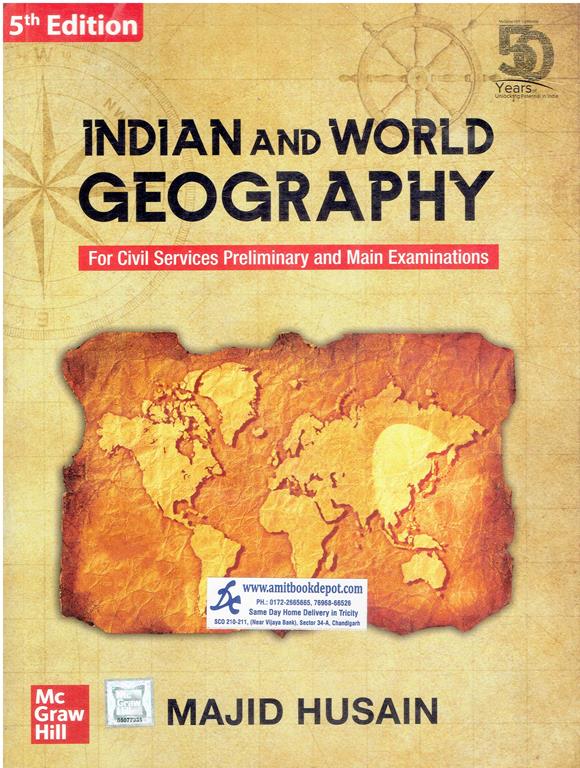
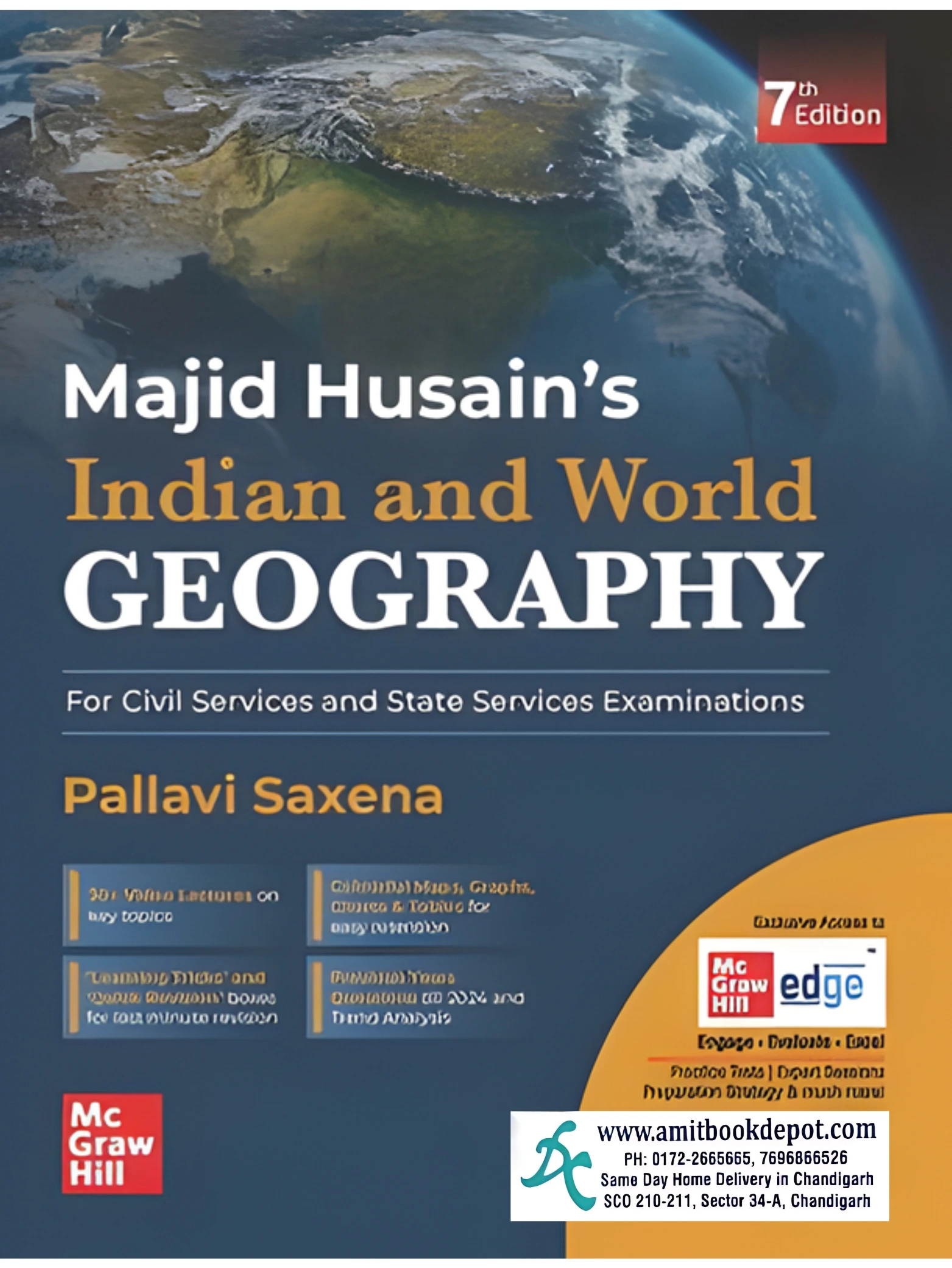


Yes, it is a holistic resource that comprehensively covers the entire spectrum of geography required for UPSC, including Geomorphology, Climatology, Human Geography, Economic Geography, and Indian Geography, making it suitable for both Prelims and Mains.
The book contains a dedicated chapter with maps of all Indian States and Union Territories. Furthermore, the world geography section includes continent-wise analysis and key geographical facts, supported by relevant maps and diagrams.
The book contains a dedicated chapter with maps of all Indian States and Union Territories. Furthermore, the world geography section includes continent-wise analysis and key geographical facts, supported by relevant maps and diagrams.
Absolutely. Chapter 2 on Geomorphology provides a clear, structured explanation of the Continental Drift Theory, Plate Tectonics, and related concepts like volcanoes and earthquakes, suitable for beginners.
Chapter 14 provides an exhaustive analysis of Indian agriculture, covering traditional crops, challenges, and modern practices like Micro-Irrigation and Natural Farming in significant detail.
Yes. The Economic Geography of India chapter offers separate, detailed sections on major industries including the Cotton Textile, Iron & Steel, Pharmaceutical, IT, Food Processing, Jute, and Sugar industries, discussing their location factors and current status.
Yes. Both World Demography (Chapter 11) and India’s Population (Chapter 13) cover vital concepts including Population Pyramids, the Demographic Dividend, Human Development Index, and population theories in depth.
Yes, Chapter 10 on World Industries includes a section on Factors Affecting Industrial Location and explicitly explains Weber’s Model, which is a frequently asked topic in descriptive papers.
Certainly. The book's structured approach, covering fundamental to advanced topics with academic rigor, makes it an excellent textbook for undergraduate and postgraduate geography courses.
Yes. The World Biogeography chapter covers the Soil System, and the Indian Geography chapter has specific sections on Soils of India and Soil Degradation.
No Description Added
Yes, it is a holistic resource that comprehensively covers the entire spectrum of geography required for UPSC, including Geomorphology, Climatology, Human Geography, Economic Geography, and Indian Geography, making it suitable for both Prelims and Mains.
The book contains a dedicated chapter with maps of all Indian States and Union Territories. Furthermore, the world geography section includes continent-wise analysis and key geographical facts, supported by relevant maps and diagrams.
The book contains a dedicated chapter with maps of all Indian States and Union Territories. Furthermore, the world geography section includes continent-wise analysis and key geographical facts, supported by relevant maps and diagrams.
Absolutely. Chapter 2 on Geomorphology provides a clear, structured explanation of the Continental Drift Theory, Plate Tectonics, and related concepts like volcanoes and earthquakes, suitable for beginners.
Chapter 14 provides an exhaustive analysis of Indian agriculture, covering traditional crops, challenges, and modern practices like Micro-Irrigation and Natural Farming in significant detail.
Yes. The Economic Geography of India chapter offers separate, detailed sections on major industries including the Cotton Textile, Iron & Steel, Pharmaceutical, IT, Food Processing, Jute, and Sugar industries, discussing their location factors and current status.
Yes. Both World Demography (Chapter 11) and India’s Population (Chapter 13) cover vital concepts including Population Pyramids, the Demographic Dividend, Human Development Index, and population theories in depth.
Yes, Chapter 10 on World Industries includes a section on Factors Affecting Industrial Location and explicitly explains Weber’s Model, which is a frequently asked topic in descriptive papers.
Certainly. The book's structured approach, covering fundamental to advanced topics with academic rigor, makes it an excellent textbook for undergraduate and postgraduate geography courses.
Yes. The World Biogeography chapter covers the Soil System, and the Indian Geography chapter has specific sections on Soils of India and Soil Degradation.